
Ireland's No. 1 FREE magazines for parents & teachers of primary school children
Ireland's No. 1 FREE magazines for parents & teachers of primary school children
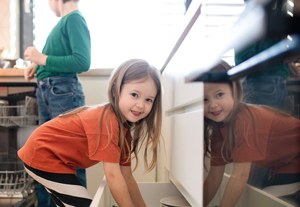 Primary Times offers practical insights and easy tips to turn everyday tasks into learning adventures.
Teaching children life skills doesn’t have to be a chore. In fact, everyday activities – like packing school bags, helping with meals, or even creating an Easter card – can be turned into fun, practical lessons that nurture responsibility, independence and resilience. With some thoughtful preparation, parents can help their children learn important life skills while keeping daily family life fun.
Start Small: Everyday Tasks for Younger Kids (Ages 4–6)
Young children are ready to take on simple responsibilities. Even small tasks give them a sense of accomplishment.
• Packing their school bag: Encourage your child to check they have lunch, water and homework ready. Use a checklist for fun visual guidance.
• Helping with meals: Let them stir ingredients, wash vegetables or set the table. Explain the importance of teamwork and safety.
Around Easter, involve children in decorating eggs, making seasonal cards, or helping with Easter brunch prep. These small, festive activities build confidence and planning skills in a playful way.
Boost Independence: Skills for Older Kids (Ages 7–11)
As children grow, they can take on more responsibility, make decisions and solve small problems on their own.
• Planning meals: Ask them to choose a weekly family snack or plan a simple dinner. Encourage budgeting or creating a shopping list.
• Organising schoolwork and activities: Have them sort homework, pack their sports kits and prepare uniforms ahead of time.
• Problem-solving challenges: Give them small “missions,” like figuring out how to set up an Easter egg hunt or encouraging creative thinking, resilience and planning.
Make Chores Fun and Meaningful
Chores don’t have to feel like punishment. By framing tasks as part of learning, children can see progress and feel proud.
• Turn tidying toys away or cleaning rooms into a timed challenge or family game.
• Celebrate successes with encouragement rather than rewards.
• Rotate tasks so children experience a variety of responsibilities.
Key Tips for Parents
• Be consistent: Regular routines help children understand expectations.
• Adjust to age and ability: Younger children need guidance; older kids can handle more autonomy.
• Use praise effectively: Highlight effort and problem-solving, not just results.
• Connect to real-life outcomes: Show how packing a bag properly or helping with lunch benefits the whole family.
Stepping Stones to Confidence
Everyday tasks are opportunities for children to learn valuable skills that last a lifetime. By helping with meals, tidying up, or planning activities, children develop organisation, problem-solving and teamwork abilities. These small, consistent experiences give children a sense of ownership and pride, showing them they can contribute meaningfully to the family.
Life skills are not just chores – they are stepping stones to independence and confidence. By turning everyday tasks into engaging learning opportunities, parents can equip children with the tools they need to thrive. And with exciting Easter activities, children will learn while having fun, turning family routines into meaningful adventures.